Record #00262Nature archive
World's Largest Living Animal
The blue whale is the largest living animal species by body mass. NOAA describes particularly large blue whales as weighing up to about 330,000 pounds (roughly 150 metric tons); this is a species-level size estimate, not a record for an individually weighed whale.
ARCHIVE VISUAL / 01
NOT TO SCALE
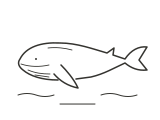
Current Record
about150metric tons
Current record value
- Holder
- Blue whale
- Location
- Global oceans · Global Ocean
- Start date
- —
- Record status
- Verified · currentReport an issue
Overview
Archive NoteThe blue whale (Balaenoptera musculus) is a baleen whale that filters krill from seawater. NOAA reports that some large individuals may consume as much as roughly six tons of krill a day, illustrating the scale of their feeding requirements.
Blue whale size varies across populations: NOAA notes that Antarctic blue whales tend to be larger than North Atlantic or North Pacific animals, with some reaching around 110 feet (roughly 33.5 metres) in length. Females are generally larger than males. The species occurs across the world's oceans apart from the Arctic, but population movements vary.
Commercial whaling severely depleted blue whale populations. The species is protected and listed as endangered under the US Endangered Species Act, but vessel strikes, fishing-gear entanglement and ocean noise remain threats. This record compares the approximate body mass of exceptionally large members of a species, not the weight of every individual.
Record history
1 Milestones- about 150 metric tonsBlue whaleGlobal oceansCurrent Record
Sources
Evidence & ReferencesThe record value on this page is organized from the public sources above. Measurement methods may differ; JiLuDB follows the unified method described for each entry.
Public feedbackFound a data issue?If a fact has changed, the data is incorrect, or you know a more authoritative source, submit feedback.Submit feedback
Help keep the archive accurate
If a fact has changed, a value is incorrect, or you know a more authoritative source, leave a note. Feedback enters an administrator review workflow and never edits a record directly.